
Procurement notes from our engineering team, written for sleep therapy distributors, DME suppliers and private-label brands. How CPAP tubing carries humidified air, why rainout and leaks happen, how to specify a cover by diameter and length, and what moves in the first ninety days after a machine dispense.
Browse by topic: CPAP Hose Cover Guides · CPAP Rainout Prevention · CPAP Accessories · CPAP User Tips · OEM & Manufacturing
Need a specification answer, not a brochure?
Send the tube brand, outer diameter and run length. We reply with a fit recommendation, a material option and a sample plan within one business day.
-
Travel CPAP: Packing Humidity, Power and Tube Protection
What to pack for CPAP travel: humidity options, power and paperwork, and how a short insulated cover protects the tube in a packed case.
-
Cleaning a Hose Cover and Tubing: A Simple Weekly Routine
A practical weekly routine for washing a CPAP hose cover, drying tubing safely and avoiding the cleaning mistakes that shorten accessory life.
-

Shenzhen Connects with the World: APEC 2026 and Opportunities in the Global Healthcare Supply Chain
Shenzhen will host APEC 2026 on 18–19 November. What the meeting means for sleep-care accessory buyers, and how OEM hose cover programmes are run.
-
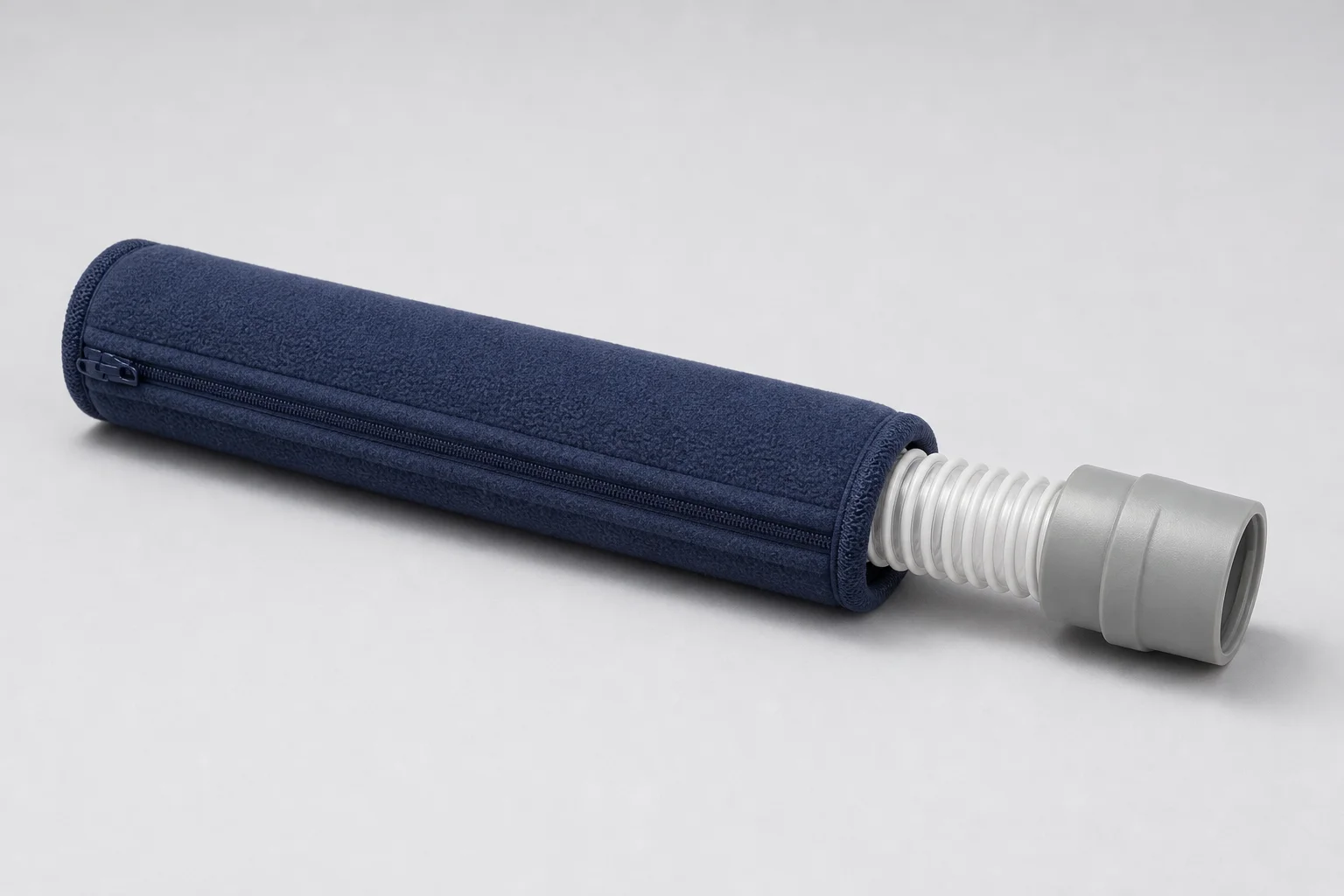
Heated CPAP Hose Covers: ResMed, Philips and F&P Fit
Which cover fits a heated tube from ResMed, Philips or Fisher & Paykel: the three measurements that decide it, where the cover must stop, and what to send with an RFQ.
-
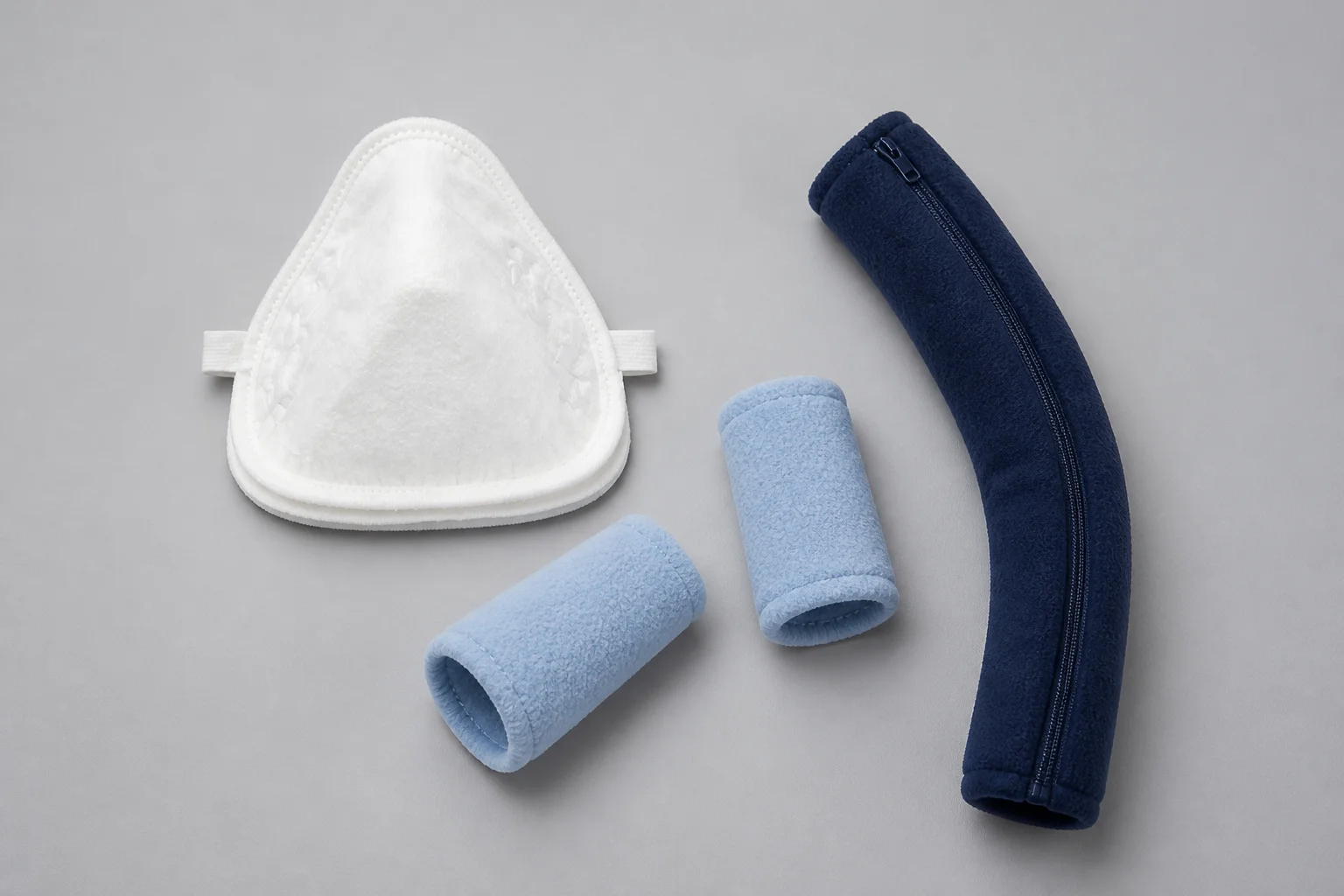
Why Patients Stop CPAP and the Accessories That Help
The four complaints that end therapy early, which accessory answers each one, and why the first ninety days decide whether an account renews its accessory line.
-
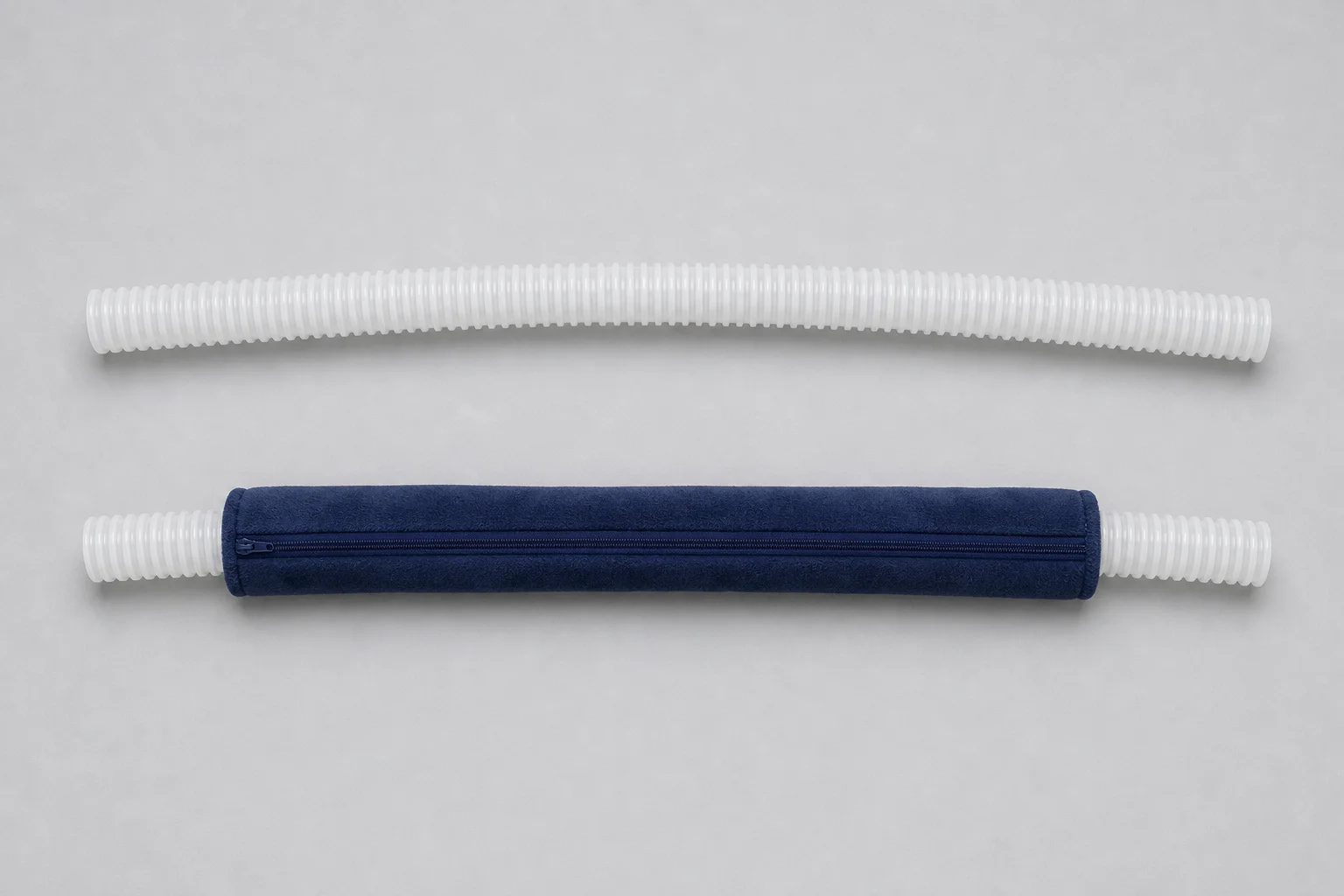
What CPAP Actually Does: A Plain-Language Explainer
What the machine is doing at night, what an accessory can and cannot change, and the sentence a distributor should use when a new user asks whether a cover will help.
-
Heated Tubing vs an Insulated Cover: Where Each Belongs
Heated tubing adds heat, a cover keeps it. Why the two are not substitutes, when a combination makes sense, and how to stock both without cannibalising either.
-
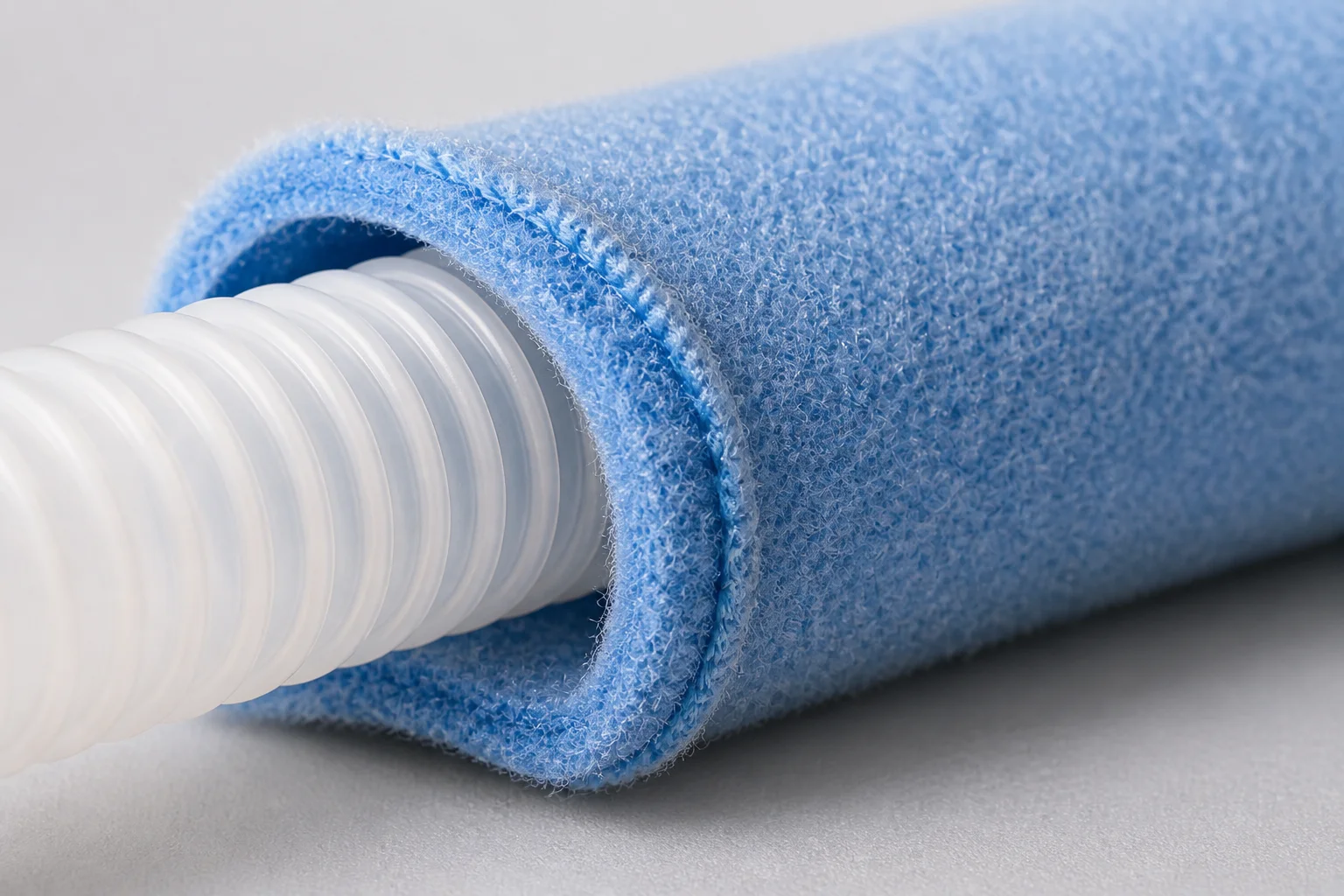
CPAP Tube Noise: What Insulation Can and Cannot Fix
Where tube noise actually comes from, which part of it an insulated cover can dampen, and the claims a distributor should not make when a partner is listening.
-
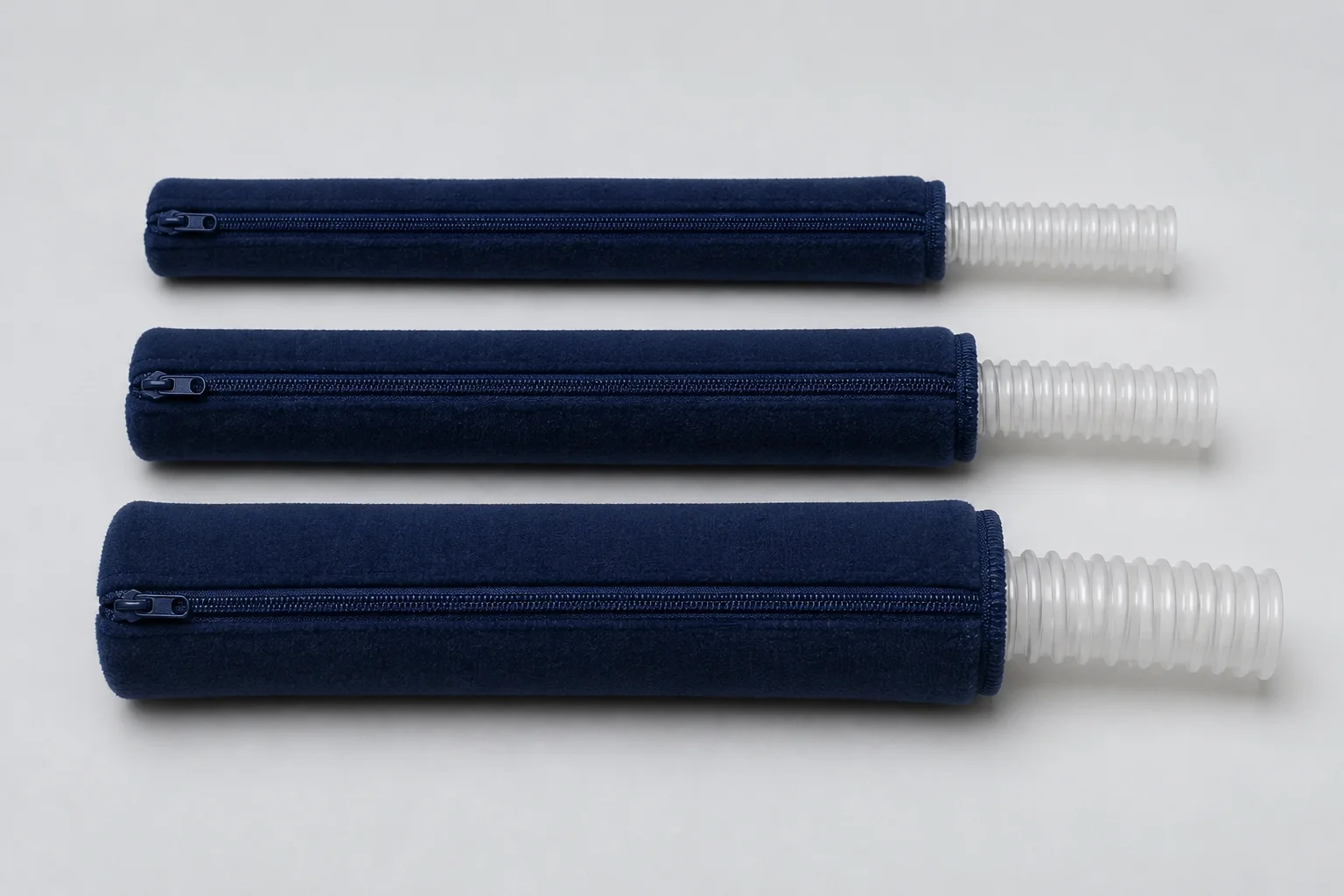
Sizing a CPAP Hose Cover: 15, 19 and 22 mm Tubing
Match internal diameter to 15, 19 or 22 mm tubing and length to 6, 8 or 10 ft runs, then build a three-by-three matrix instead of a long SKU list.
-
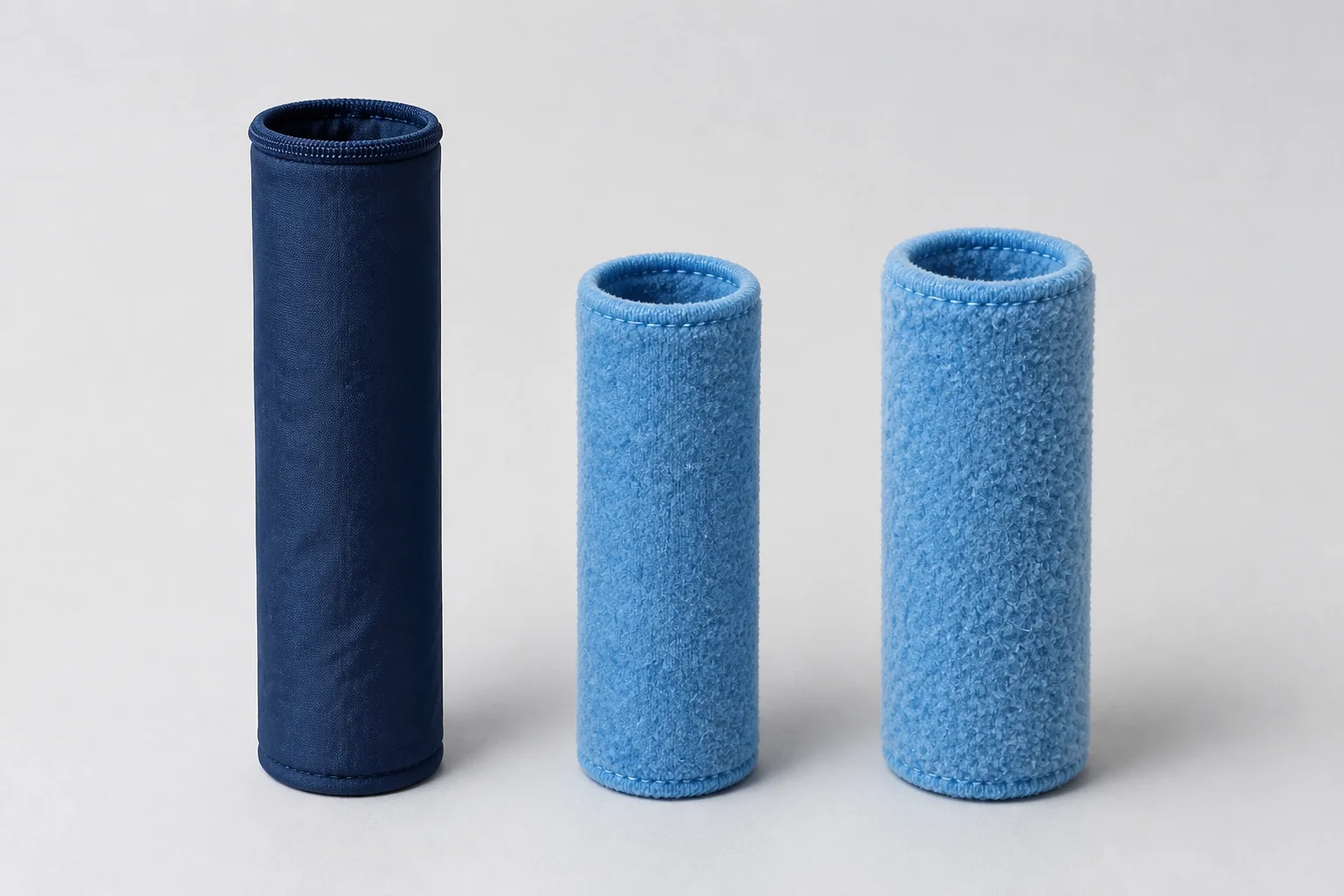
Fleece vs Neoprene vs Knit: Hose Cover Material Guide
How fleece, neoprene and knit differ in insulation, stretch, weight and wash durability on a CPAP tube, and which one belongs in a distributor range rather than a single SKU list.
-
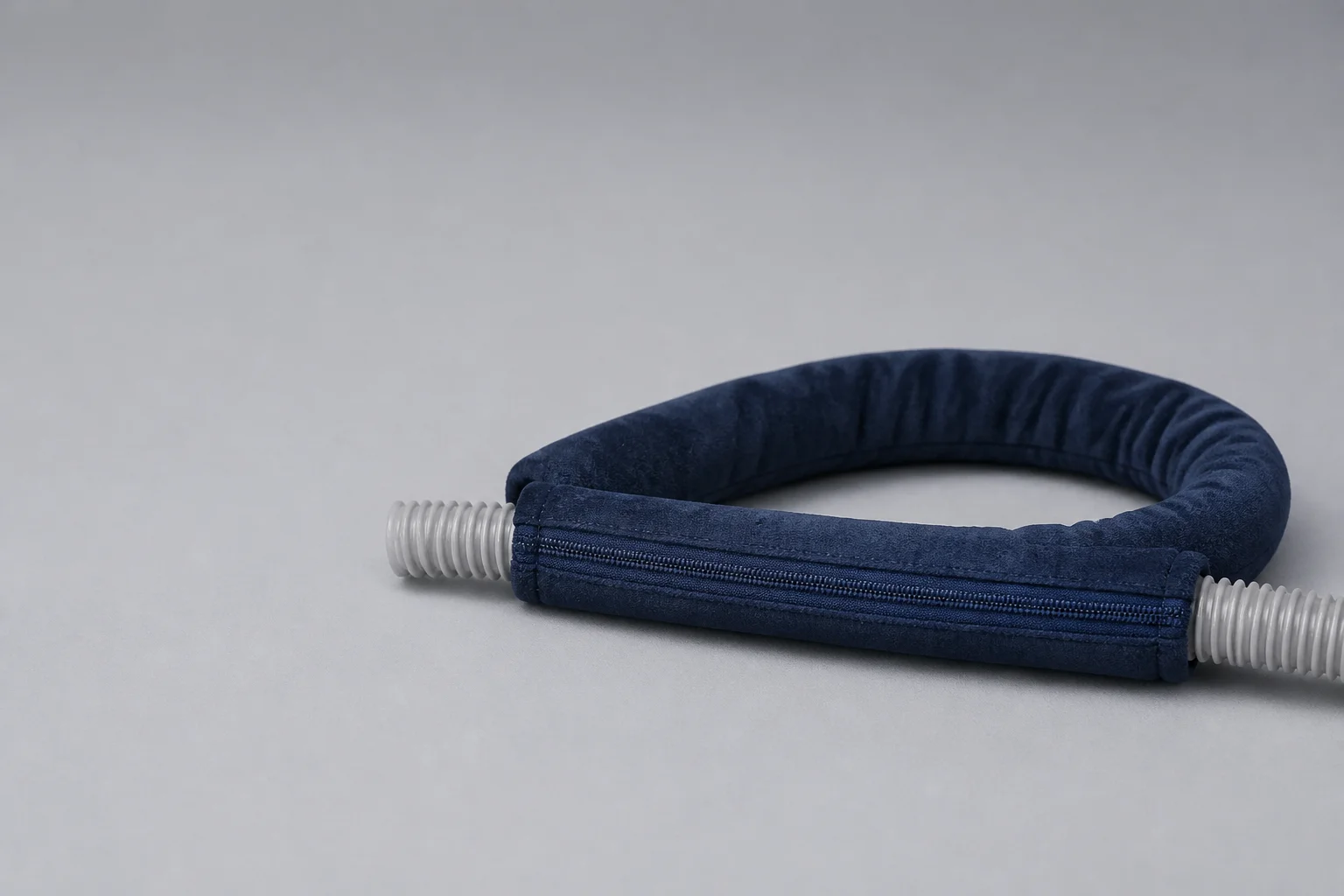
Why CPAP Rainout Happens in Winter and What Fixes It
Why condensation forms inside the tube when the room turns cold, what an insulating cover changes at the dew point, and which cover specification distributors should stock for winter demand.