
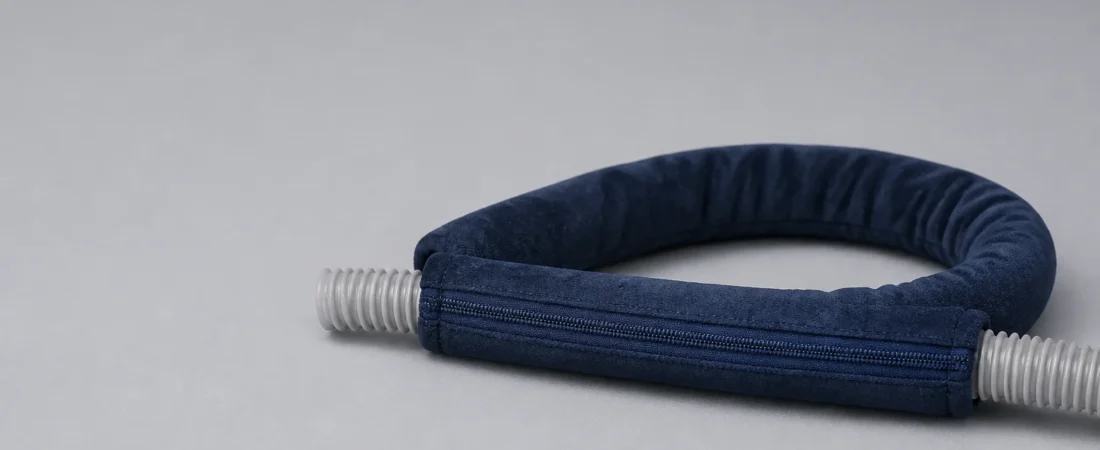
Every winter the same support ticket reaches distributors and DME teams: water is pooling in the tube, the mask gurgles, and the patient wakes up with a wet face. The device is usually working as designed. What changed is the room.
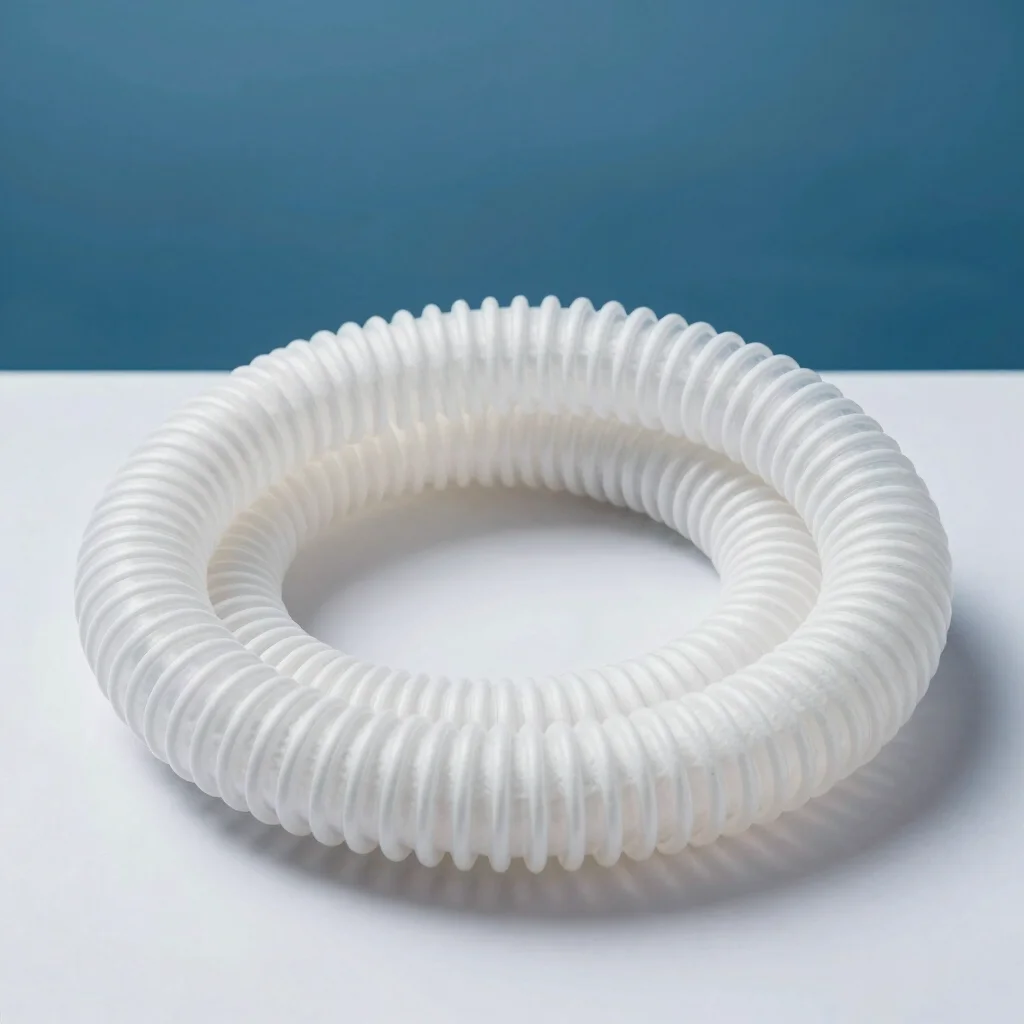
Why rainout happens
A humidifier adds water vapor to the airflow before it leaves the machine. Warm air holds more moisture than cool air. As that humidified air travels through a tube lying in a cool bedroom, it loses heat, and once it drops to its dew point the excess moisture condenses on the inside wall of the tube. Gravity does the rest. Two variables drive the effect: the humidity level the patient selected, and the temperature difference between the air inside the tube and the air in the room. Winter pushes both in the wrong direction, because indoor heating lowers relative humidity and patients often raise the humidifier setting to compensate.
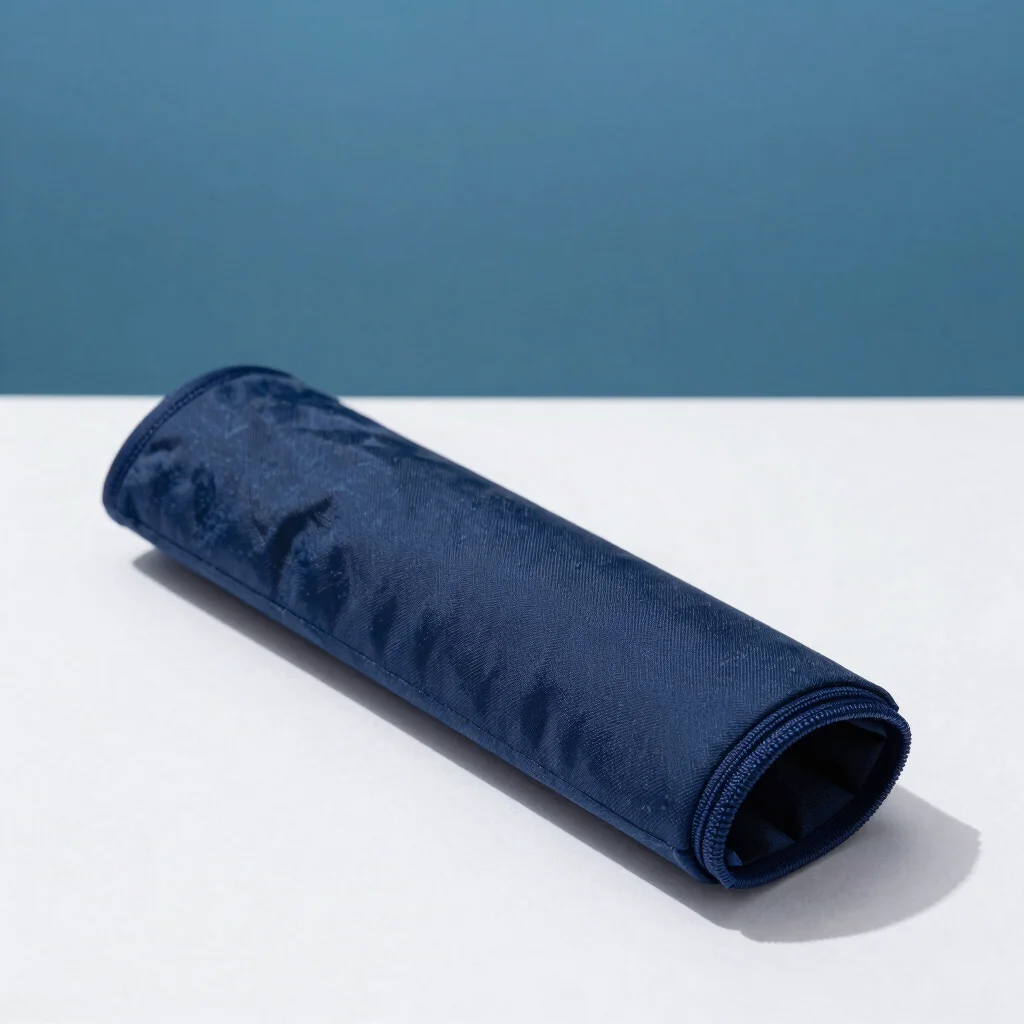
What a cover actually changes
A hose cover wraps the tubing in a layer of low-conductivity textile. That layer slows heat loss from the air stream, so the air arriving at the mask stays closer to the temperature it had at the humidifier outlet. If the air does not fall below its dew point, it does not condense. The result is not more humidity but better retention of the humidity already being delivered. Heated tubing addresses the same physics electrically and is the right answer for some setups; an insulating sleeve is the lower-cost option and can still help alongside heated tubing in a very cold room.
Fit decides whether the cover performs. The sleeve needs an internal diameter matched to the tube, a length that covers the full run without bunching, and a closure that stays shut for eight hours. A loose cover leaves cold gaps at the ends, and the ends are where condensation forms first.
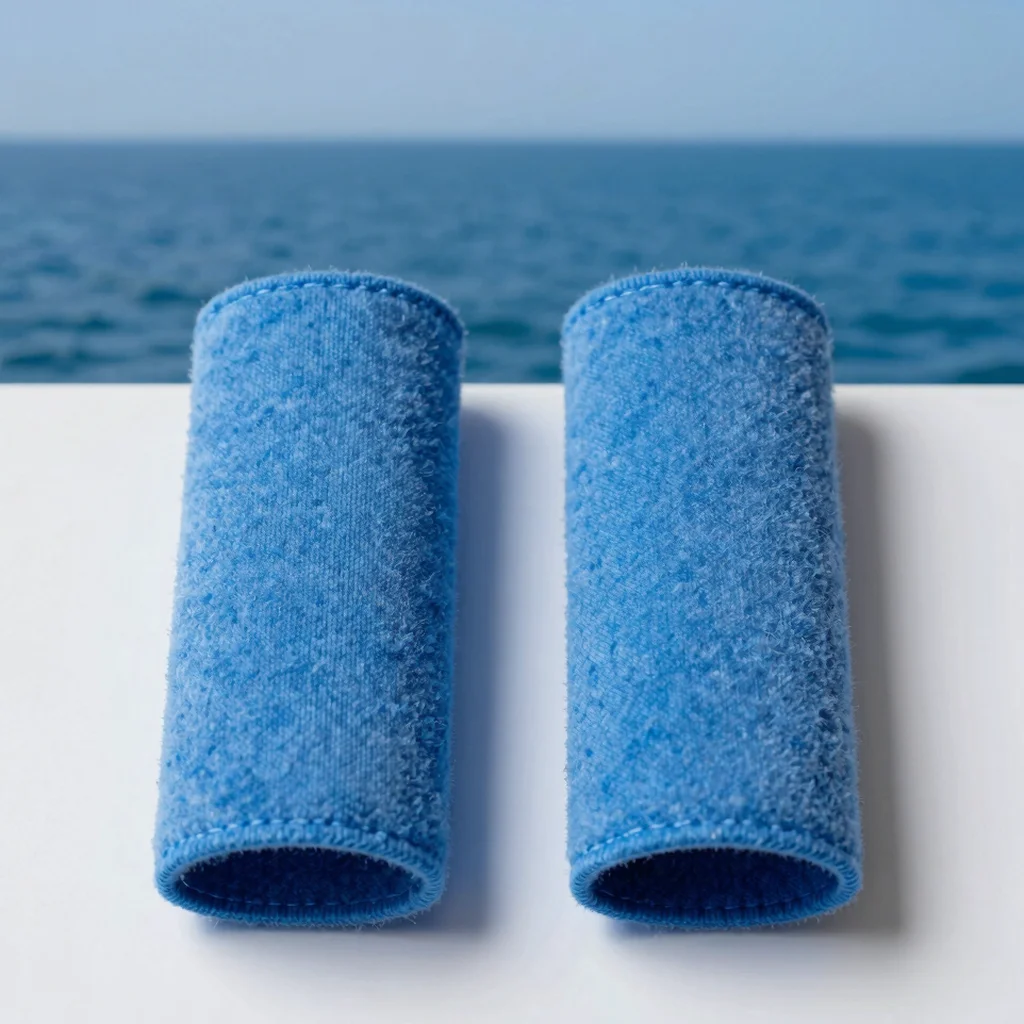
What this means for distributors
Rainout is one of the few winter complaints that a low-cost accessory can answer directly, and it usually reaches the patient as a question about settings rather than about textiles. Stocking covers in the diameters and lengths that match the tubing your accounts already dispense turns that conversation into a simple add-on. For private-label programs, open the specification discussion with tubing diameter, tubing length and whether the patient uses heated tubing, then move to color and packaging.
Need a specification sheet, sample or private-label quote? Talk to our team.
Specifications mentioned in this article
Specifying a cover for winter rainout?
Send the tube brand, outer diameter and run length. We reply with a fit recommendation and a sample plan within one business day.
This article is general product education and is not medical advice. Patients should discuss therapy settings with their clinician.