

Patients describe it three ways: a whoosh at the mask, a low hum that seems to come from the nightstand, or a whistle at a connection. Distributors hear it as a complaint about the machine. In practice, tube noise has several sources, and insulation only addresses some of them. Being precise about which ones protects both the patient relationship and the product claim.
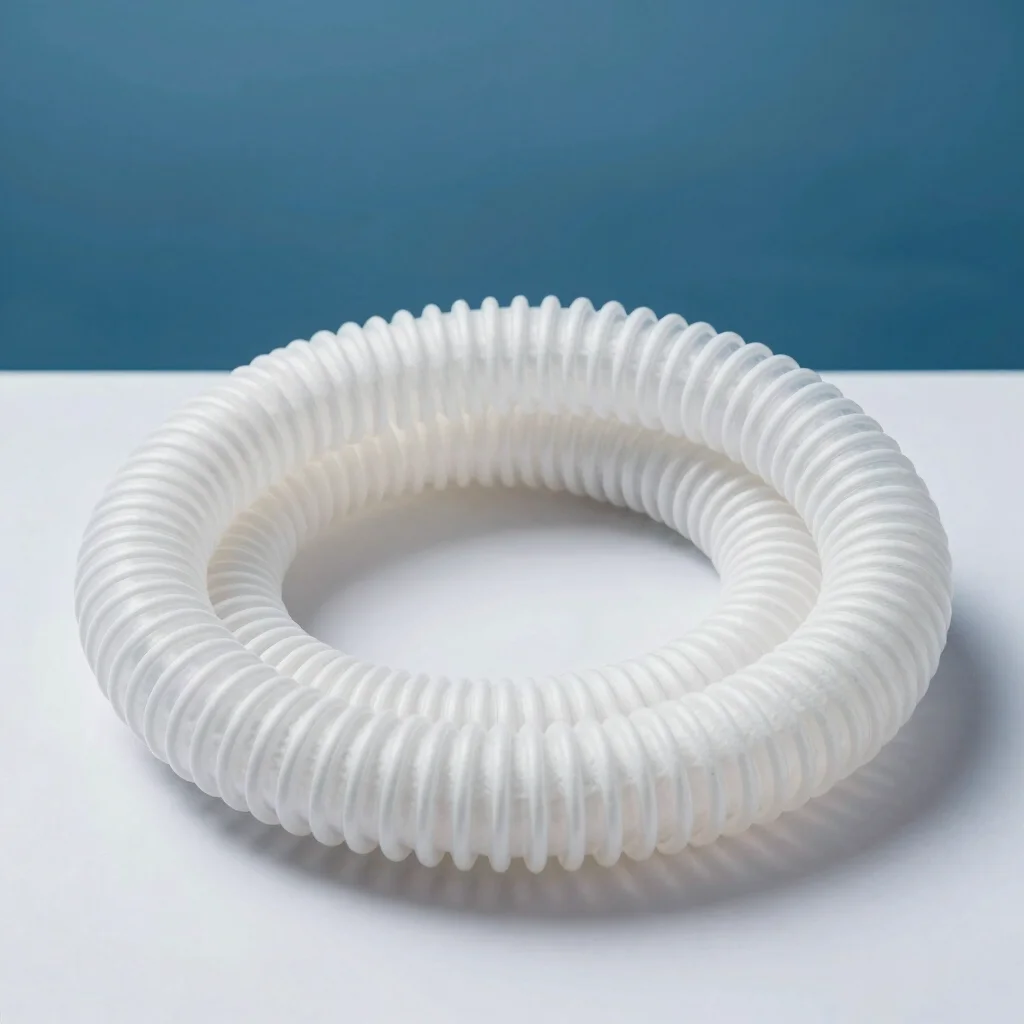
Where the noise comes from
Air moving through a tube generates turbulence, and turbulence is loudest at bends, at connectors and wherever the bore changes. A mask vent adds a steady flow noise by design. Water sitting in a low point of the tube produces the gurgling that patients most often report in winter, and that is a condensation problem rather than an acoustic one. Mechanical noise from the blower travels through the tube wall and can be amplified by a hard surface the tube rests against.
Each source has a different fix. Vent noise is part of the mask design. Connector noise usually means a poor seal. Gurgling means condensation. Blower noise radiated through the tube is the one that responds to a textile layer.

What a cover can and cannot do
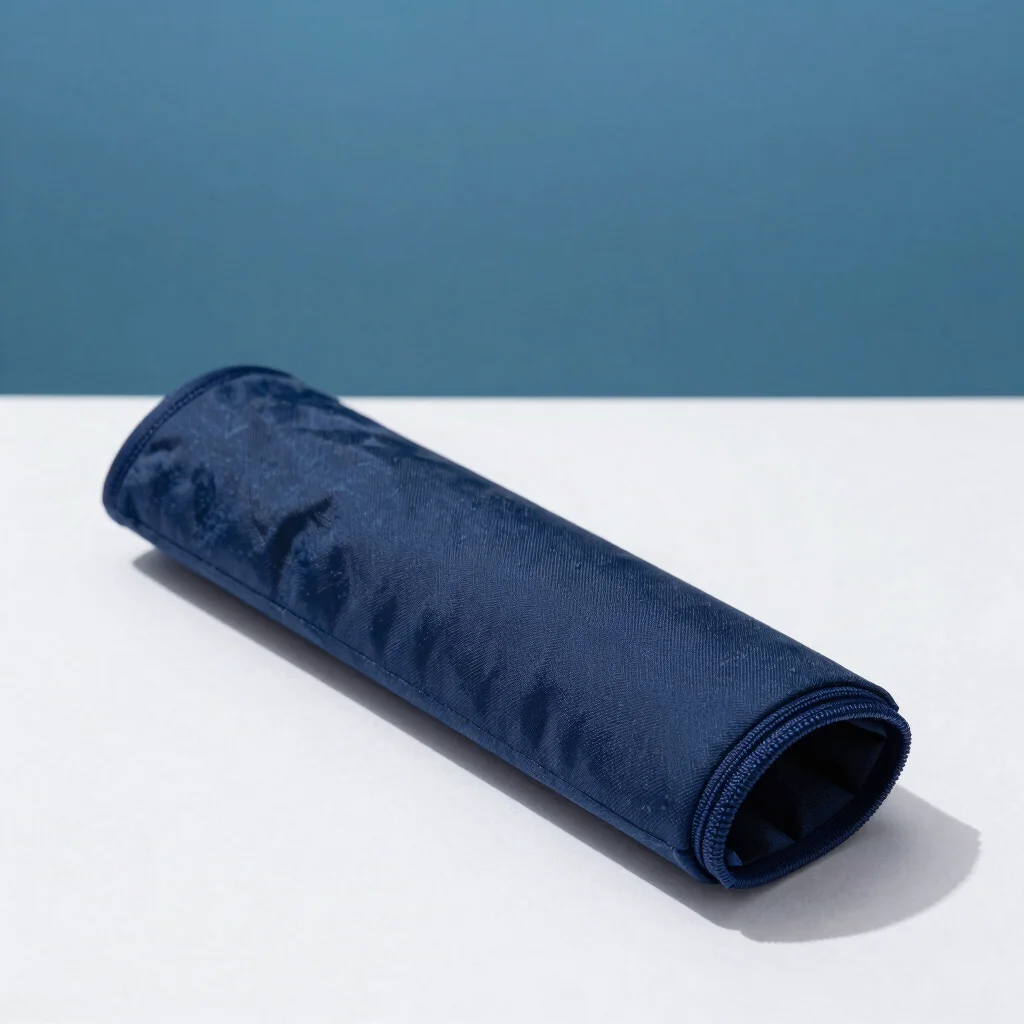
A sleeve adds mass and a dampening layer to the tube wall, which reduces the amount of sound radiated from the tubing and softens the noise of the tube knocking against a headboard or bed frame. It also reduces the temperature drop along the tube, which is what prevents the condensation behind gurgling in the first place. What a cover does not do is silence the mask vent, correct a leak, or quiet a blower that is failing. Those need different answers, and a distributor who separates them avoids a return.
Material weight matters. A heavier fleece or a laminated neoprene dampens more than a thin knit, but weight also affects how the tube hangs and whether the mask is pulled. For a patient who is sensitive to weight on the pillow, a lighter sleeve that covers the run without overhanging the bed is often the better recommendation.
What this means for distributors
Position an insulated cover as a comfort and condensation accessory, not as a noise cure. That framing is accurate, it survives patient questions, and it still answers the most common winter complaint. Keep one heavier and one lighter option in the range so the recommendation can follow the actual objection, and publish weight per unit length in the specification sheet so the choice is not guesswork.
Specification details and sample requests are answered on our FAQ page.
Specifications mentioned in this article
Positioning a cover against heated tubing?
We can quote a denser cover built for noise-sensitive accounts, with a straight comparison sheet your sales team can use without overclaiming.
This article is general product education and is not medical advice. Patients should discuss therapy settings with their clinician.