
New CPAP users receive a machine, a mask, a tube and a short appointment, and often very little explanation of what the device is doing at night. For distributors and clinic staff, a clear plain-language explanation is one of the cheapest retention tools available, because patients who understand the therapy are easier to keep in contact with than patients who were simply handed equipment.
What the machine is doing
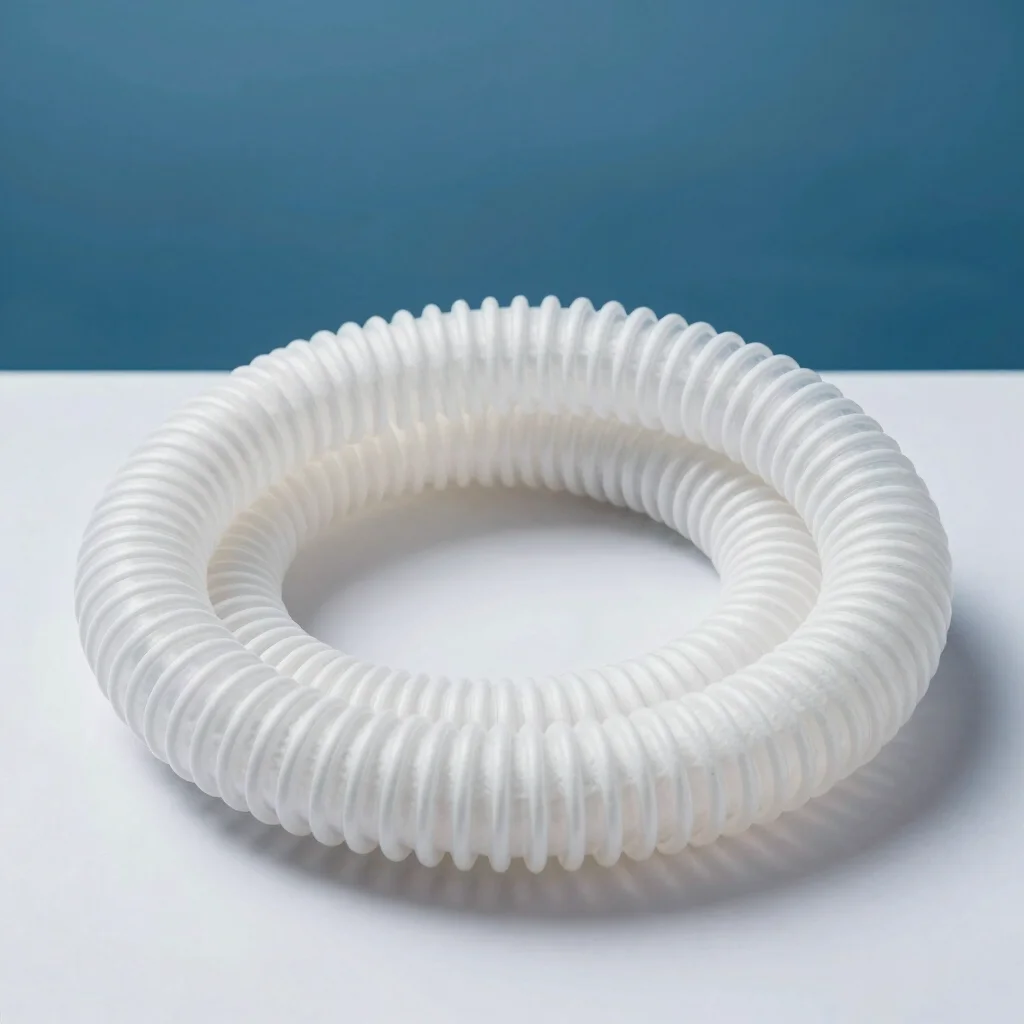
CPAP stands for continuous positive airway pressure. The machine draws room air, filters it, and delivers it under mild pressure through a tube and mask. That pressure holds the upper airway open during sleep. The National Heart, Lung, and Blood Institute describes CPAP in its patient materials as a machine that uses mild air pressure to keep the airways open during sleep, and lists breathing devices among the common treatments for sleep apnea. Some machines vary pressure within a set range, and some reduce pressure during exhalation, but the principle is the same: a steady supply of pressurized air through the night.
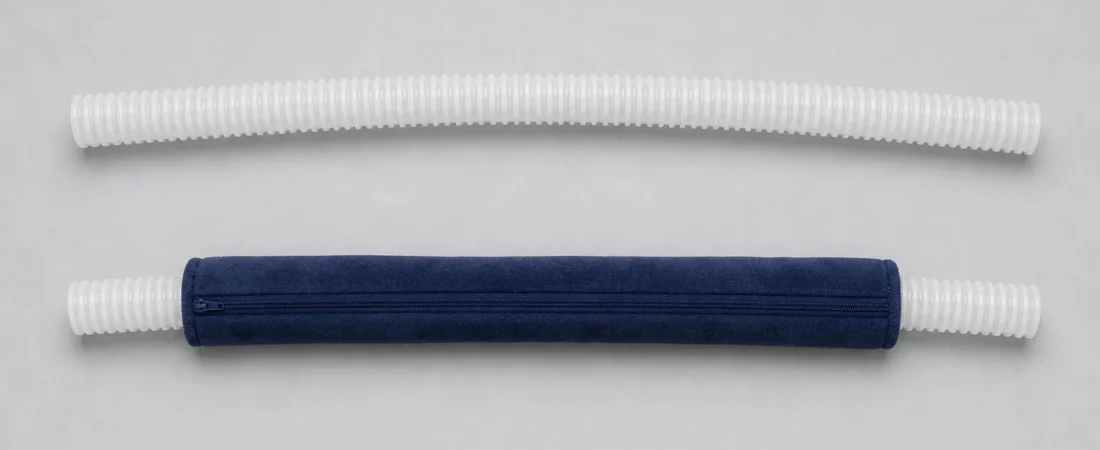
Two additions change the experience rather than the principle. A humidifier adds water vapor so the airway does not dry out, and a heated tube or an insulated cover keeps that humidified air warm enough that it does not condense inside the tube. Neither changes the prescribed pressure.
What the accessories do
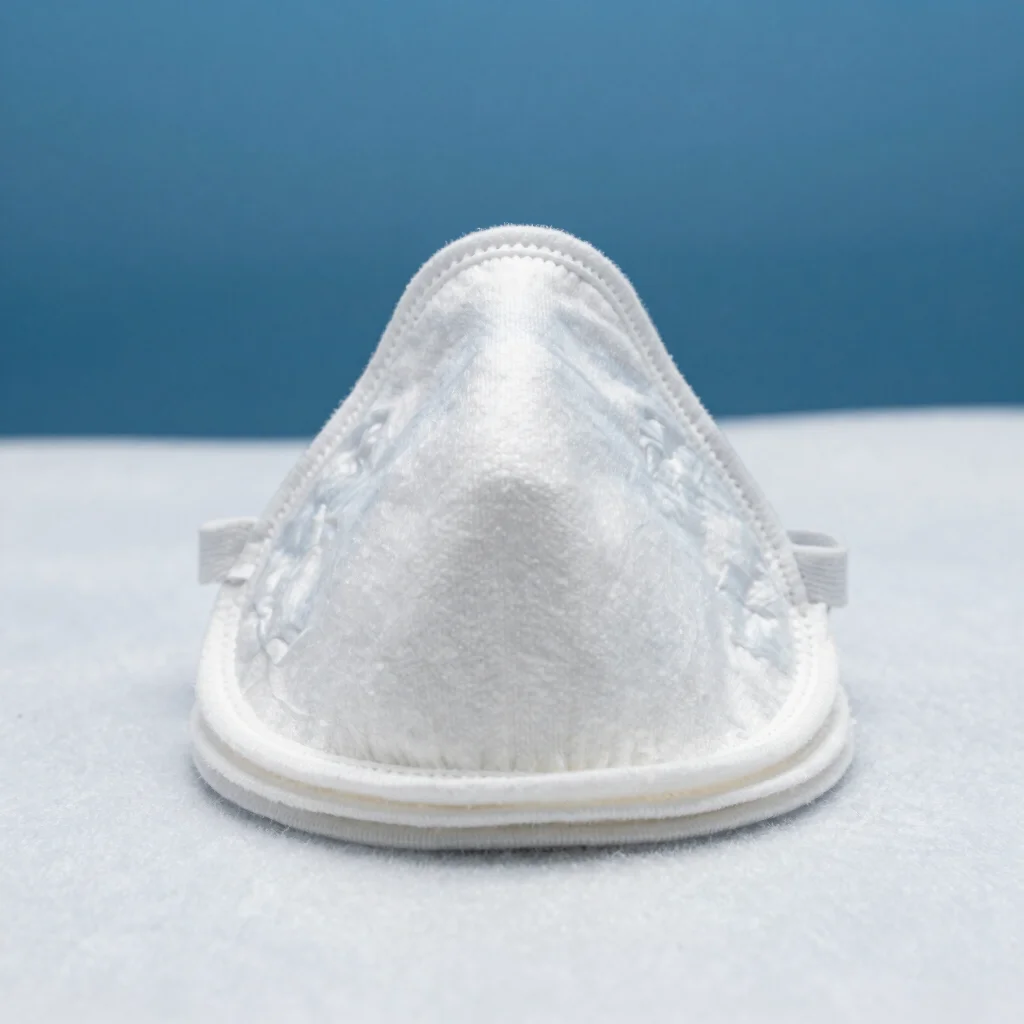
Accessories are about tolerating the therapy, not about the therapy itself. A mask that fits reduces leak and skin irritation. A tube cover reduces condensation and the sound of the tube against a headboard. A hose lift keeps the tube off the face and reduces pull on the mask. Each answers a specific nightly annoyance, and annoyance is what accumulates into a decision to stop using the machine.
It is worth saying plainly what accessories are not. A cover, a cushion or a filter does not treat sleep apnea, does not replace the machine and does not substitute for clinical follow-up. Pressure settings, humidity levels and any change to the prescription belong to the treating clinician, and patients should bring those questions to that clinician rather than to a product listing.

What this means for distributors
Pair every machine or mask dispense with one page of plain-language explanation and one accessory aimed at the complaint the patient is most likely to have in the first month. The combination costs very little and reduces the support calls that arrive when a patient cannot name what is wrong. For OEM programs the same logic argues for readable instructions inside the packaging, not only a compliance label.
See the accessory range we manufacture for sleep therapy on our product page.
Specifications mentioned in this article
Equipping new users at dispense?
The starter kit bundles the four accessories that answer the four most common first-month complaints. Ask for the pack-out list and MOQ.
This article is general product education and is not medical advice. Patients should discuss therapy settings with their clinician.
Sources