
Heated tubing and an insulated cover are often presented as competing upgrades. They are not. They address the same physical problem with different mechanisms, and the right answer for a given patient depends on the room, the machine and the budget rather than on which product is newer.
What heated tubing does
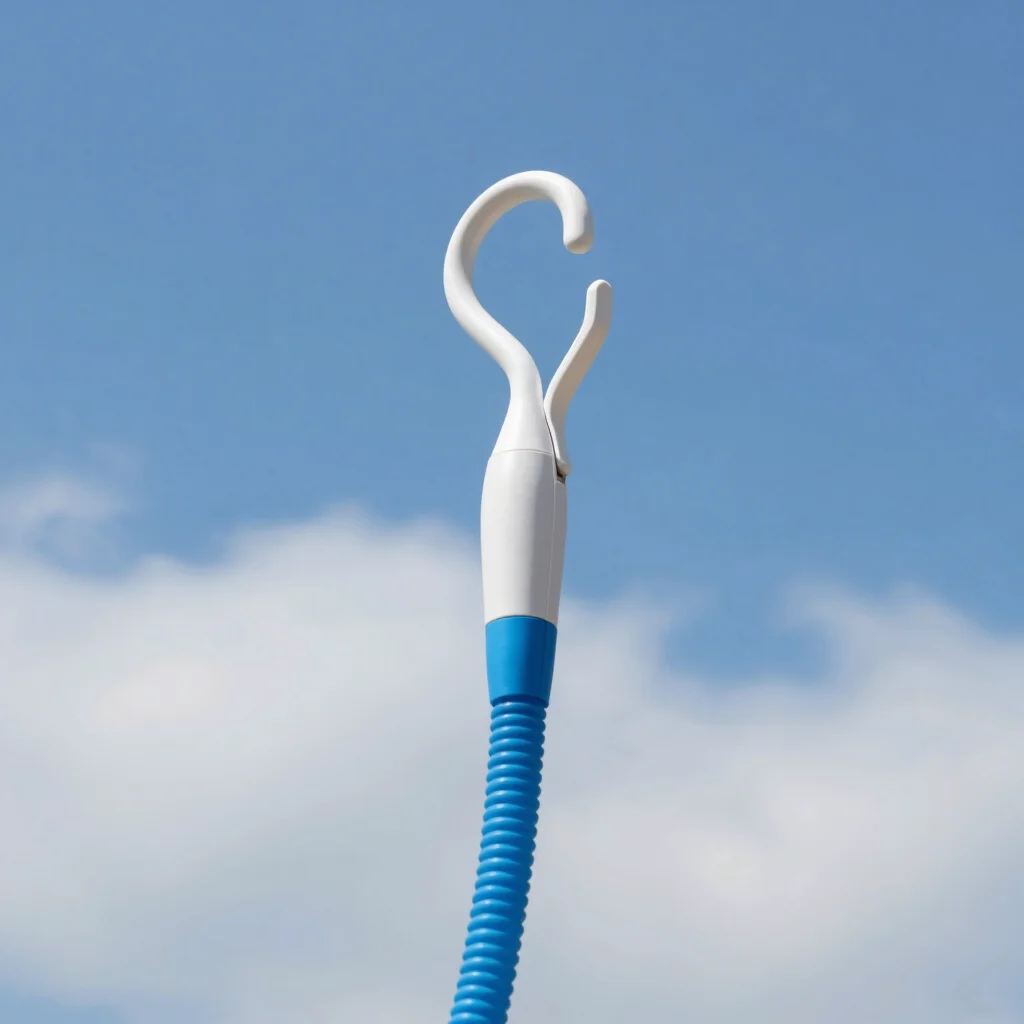
A heated tube carries a wire or conductive element along its length and warms the air as it travels, holding the air stream above its dew point all the way to the mask. Because the heat is generated inside the tube wall, control is active and adjustable, and many devices link tube temperature to the humidity setting. The trade-offs are cost, a proprietary connector that ties the tube to one machine family, and a power draw. Heated tubing is specific by design: a tube built for one manufacturer generally does not fit another.
What a cover does
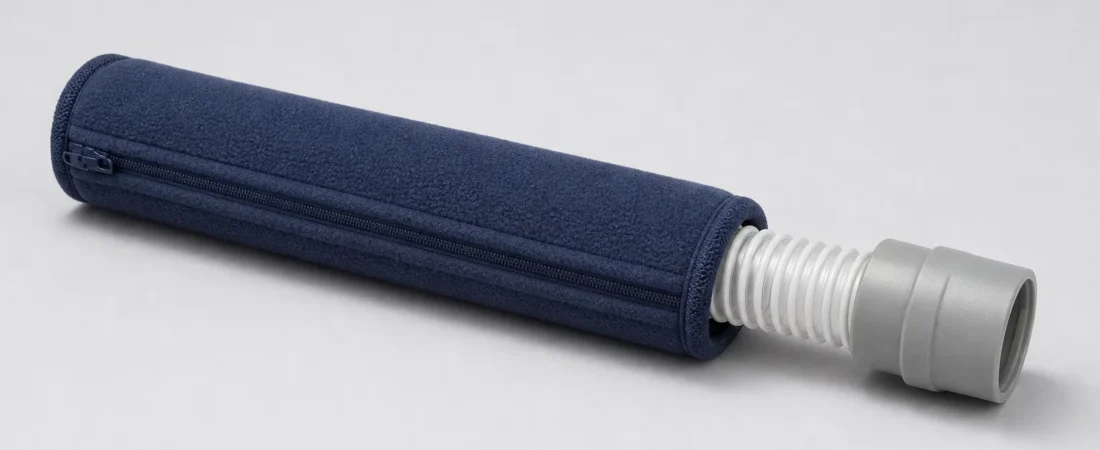
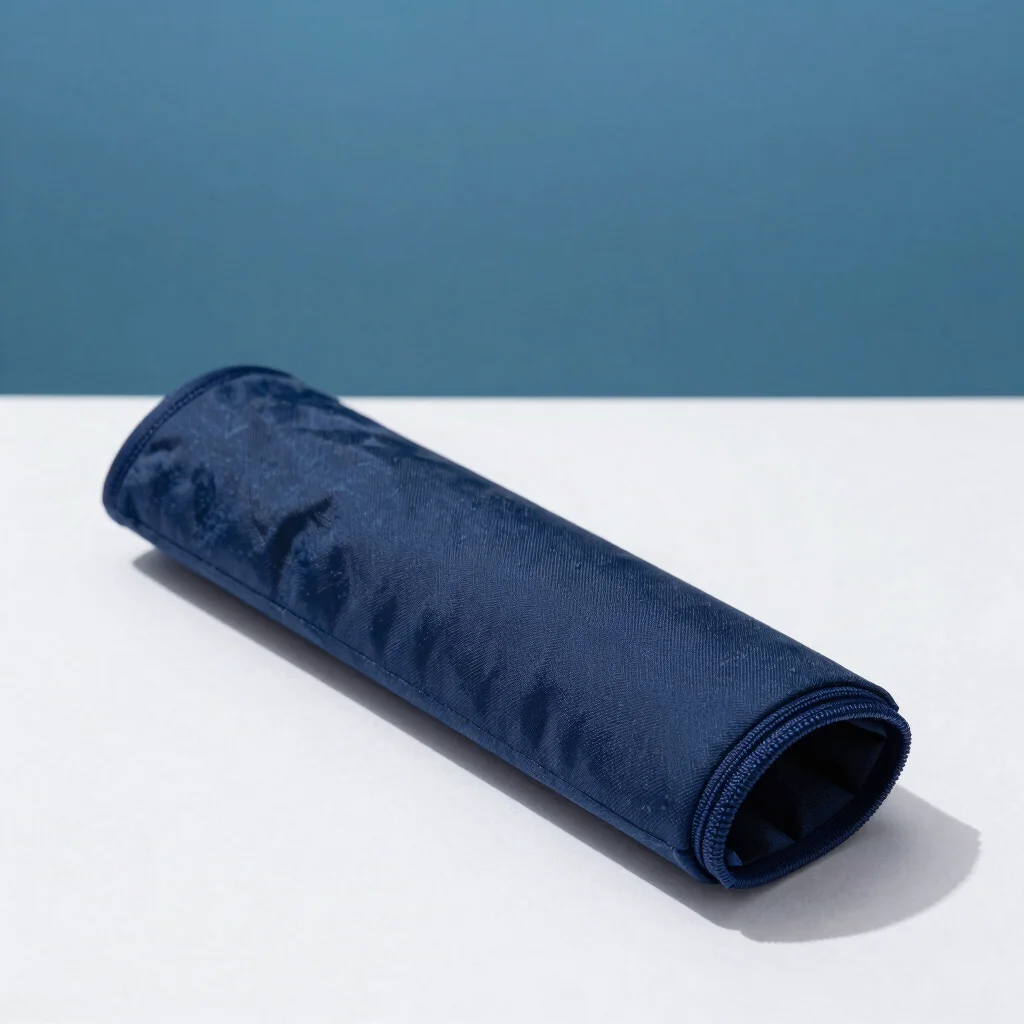
A cover is passive. It slows heat loss from air the humidifier has already warmed, without adding heat of its own. It has no connector, no power requirement and no compatibility matrix beyond diameter and length, which makes it the universal option and the cheaper one. In a mild room, passive insulation is often enough. In a cold room, at a high humidity setting, or with a machine running near the limit of its heater, insulation reduces the load on the heater and improves the result.
The two can be combined. A sleeve over heated tubing adds an outer insulating layer and lowers the energy the heater must supply. The caveat is fit, because heated tubing is thicker at the coupling and needs clearance there. If a patient reports condensation with heated tubing already at maximum tube temperature, the room conditions are the variable to discuss with the clinician, not the accessory alone.
There is also a service-life argument. Heated tubing is an electrical device that eventually fails and is expensive to replace; a textile cover can be washed and reused across several tubes. For home care accounts that manage large patient panels, that difference shows up in cost per patient per year.
What this means for distributors
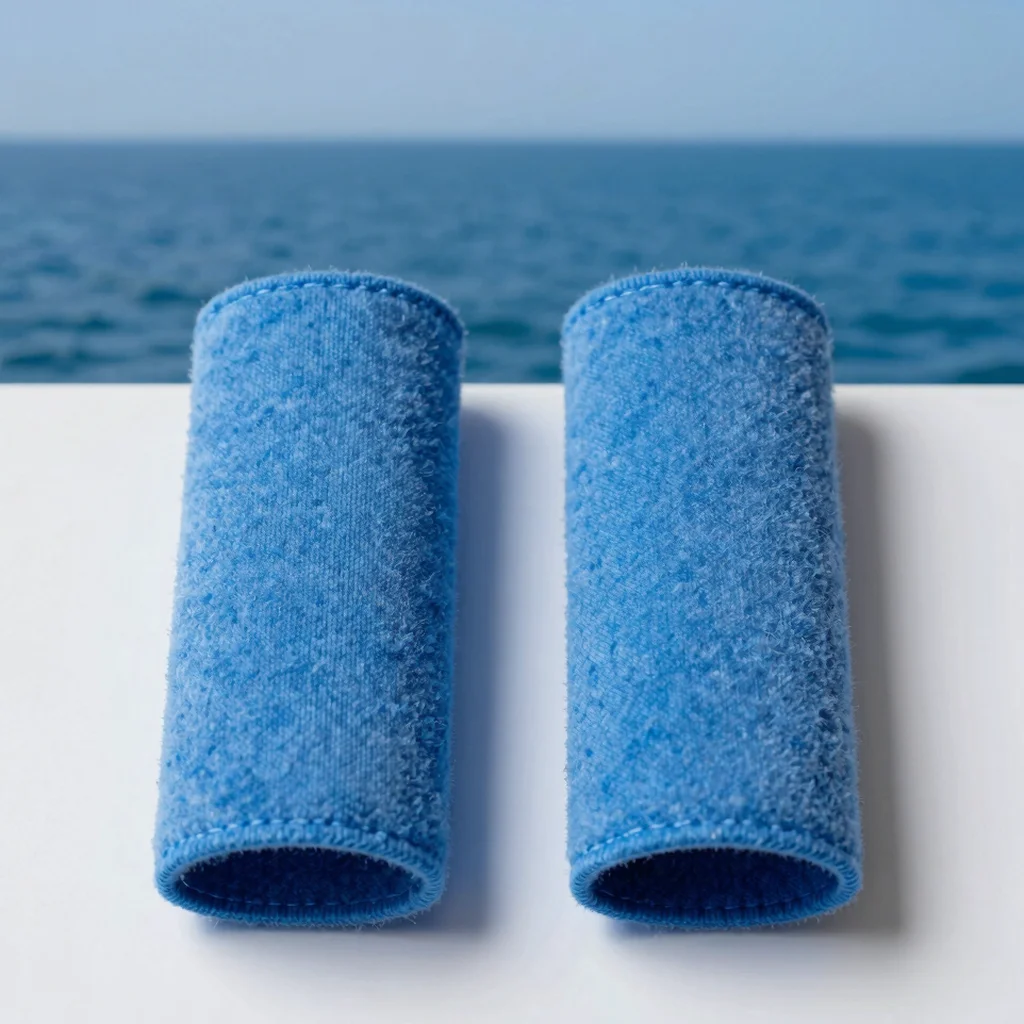
Carry both and explain the difference in one sentence at the counter: heated tubing adds heat, a cover keeps heat. For private label, the practical split is a universal cover range in three diameters plus a heated-tubing variant specified to the couplings you support. That structure keeps inventory simple while still covering patients who need active warming, and it keeps the electrical compatibility question with the machine manufacturer where it belongs.
Review diameter and length options on our product page.
Specifications mentioned in this article
Stocking covers for heated-tubing users?
Ask for the coupling-clearance drawing. It shows where a standard cover stops and where the heated variant has to start.
This article is general product education and is not medical advice. Patients should discuss therapy settings with their clinician.